Three types of Hajj — pick one before you travel
The Prophet ﷺ allowed three forms of Hajj. Pick one based on your circumstances, and confirm with your tour leader / scholar which you are performing.
- Tamattu' — perform Umrah first, exit ihram, then re-enter ihram for Hajj on 8 Dhul Hijjah. Most common for non-residents of Mecca. Requires hadi (sacrifice).
- Qiran — combine Umrah and Hajj in a single ihram, performed together. Requires hadi.
- Ifrad — Hajj only, no Umrah. No hadi required. Suitable for residents of Mecca.
8 Dhul Hijjah (Yawm at-Tarwiyah) — Heading to Mina
On the morning of the 8th, pilgrims enter ihram (those performing Tamattu' enter for the second time; Ifrad/Qiran are already in ihram) and travel to Mina, a tent city about 5 km east of Mecca. The day is spent in Mina with the five daily prayers shortened (qasr) but not combined. Pilgrims usually rest, read Quran, and prepare for Arafat the next day.
9 Dhul Hijjah (Yawm Arafah) — the Day of Arafat
After Fajr, pilgrims travel to the plain of Arafat. They arrive before noon. From the time the sun begins to decline (after Dhuhr) until sunset, they perform wuquf — standing supplication — anywhere on the plain. This standing is the essence of Hajj; missing it invalidates the pilgrimage. Dhuhr and Asr are prayed combined and shortened at the start of the period.
- Travel from Mina to Arafat after Fajr
- Pray Dhuhr and Asr combined (and shortened) at Masjid Namirah or in your tent
- From midday to sunset: stand or sit and supplicate continuously, facing the qibla
- Free du'a in your own words — there is no required wording
- The Prophet ﷺ taught one du'a as best for this day (below)
- After sunset, travel to Muzdalifah without praying Maghrib at Arafat
Best du'a for the Day of Arafat
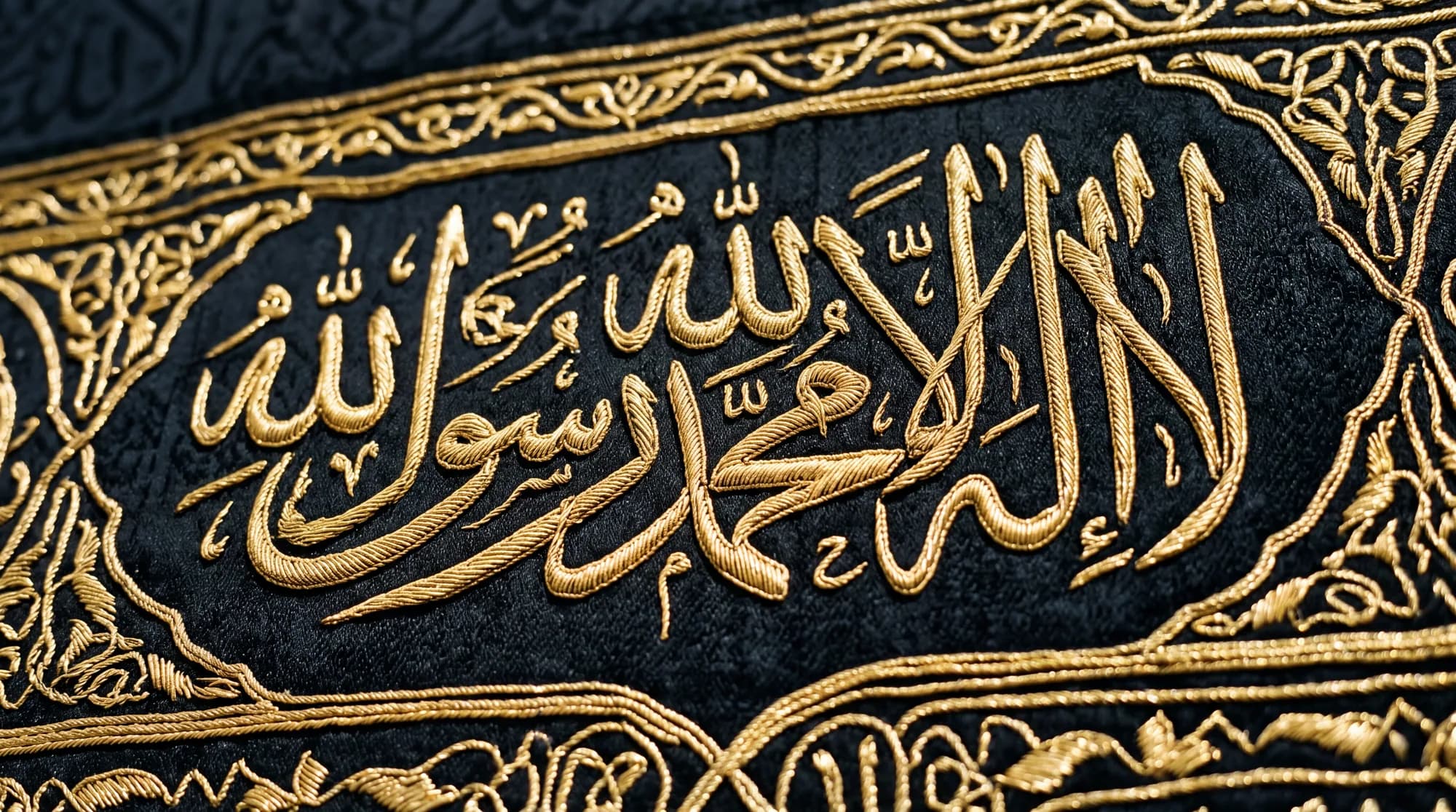
The Prophet ﷺ said: 'The best du'a is the du'a of the Day of Arafat, and the best thing that I and the Prophets before me have said is:'
Night of 9 Dhul Hijjah — Muzdalifah
After sunset, pilgrims travel from Arafat to Muzdalifah, an open plain between Arafat and Mina. On arrival, Maghrib and Isha are prayed combined (Maghrib in 3 rakahs, Isha shortened to 2). Pilgrims sleep on the open ground until Fajr — no tents. While in Muzdalifah, gather 49 (for 3-day stoning) or 70 (for 4-day stoning) small pebbles for the next days' rites.
10 Dhul Hijjah (Yawm an-Nahr) — the Day of Sacrifice
After Fajr at Muzdalifah, pilgrims travel back toward Mina. The 10th is the busiest day of Hajj — five rites are performed in sequence (or in a flexible order that scholars permit).
- Travel from Muzdalifah to Jamarat al-Aqaba (the largest pillar in Mina)
- Stone Jamarat al-Aqaba with 7 pebbles, saying 'Allahu Akbar' with each throw
- Sacrifice (hadi) — for those performing Tamattu' or Qiran. Most pilgrims now arrange this through a coupon at registration; the meat is distributed to the poor
- Shave or trim the hair (men shave preferably; women trim a fingertip)
- First Tawaf (Tawaf al-Ifadah) at the Kaaba — this is a required pillar of Hajj
- Sa'i between Safa and Marwa (for Tamattu' pilgrims; Ifrad/Qiran already did this earlier)
- After completing these, exit from ihram fully — you are now in tahallul
Stoning the Jamarat — what to say
With each stone thrown, the pilgrim says 'Allahu Akbar'. The act commemorates Ibrahim (peace be upon him) rejecting Shaytan three times when commanded to sacrifice his son. Stoning is symbolic — the pebbles are small (chickpea-sized) and the harm is to the pilgrim's own ego, not to the pillar.
11–12 Dhul Hijjah — Days of Tashreeq
Pilgrims stay in Mina on the 11th and 12th. On each day after midday, they go to the three pillars (Jamarat) in order — small (Sughra), middle (Wusta), large (Aqaba) — throwing 7 pebbles at each. Pilgrims may leave Mina before sunset on the 12th (nafr al-awwal) or stay an additional day until the 13th (nafr ath-thani) for extra reward. The Prophet ﷺ stayed for both nights.
Tawaf al-Wada' — the farewell tawaf
Before leaving Mecca, pilgrims perform a final tawaf — seven circuits around the Kaaba in farewell. The Prophet ﷺ said: 'No one should leave until the last thing they do is the tawaf around the House.' (Sahih Muslim 1327). Make a long du'a; you may not see the Kaaba again. Walk backward as you leave, eyes on the Kaaba, until you exit the masjid.
Visiting Madinah
Most pilgrims travel from Mecca to Madinah after Hajj. Visiting the Prophet's masjid and his grave is highly recommended though not part of Hajj. Pray two rakahs in Rawda — the area between the Prophet's pulpit and his grave that he said is 'one of the gardens of Paradise' (Sahih Bukhari 1196). Send salam at his grave (see Umrah guide).
Returning home — what to say
When you see Madinah on the way back, when you see your home town, when you finally arrive — there are du'as for all of these moments. The most important: maintain the spiritual gains from Hajj. The Prophet ﷺ said an accepted Hajj has no reward except Paradise (Sahih Bukhari 1773). Protect that acceptance with consistent prayer, generosity, and turning back to Allah continuously.
Reflection
Hajj is the closest most Muslims come to a complete reset of their spiritual life. Two million pilgrims wear the same simple white cloth, eat the same simple food, sleep on the same open ground at Muzdalifah, throw the same stones at Jamarat. Every pre-Islamic distinction of wealth, ethnicity, language and rank dissolves. What remains is the same servant before the same Lord, asking the same question — 'Will You forgive me?' — and being given the same answer. Bring this guide with you, and pray for those who built it that they too may see the Kaaba one day.
Primary sources
- Quran on Hajj: 2:196–203, 3:96–97, 22:26–37, 5:1–3
- Sahih Bukhari (Book of Hajj — multiple narrations)
- Sahih Muslim 1211–1349 (the Hajj chapters)
- Jami` at-Tirmidhi 3585 (best du'a of Arafat)
- The long Hajj narration of Jabir ibn Abdullah (Sahih Muslim 1218) — the canonical step-by-step source